


-

Add: HeBei ShengShi HongBang Cellulose Technology CO.,LTD.
-

Email
13180486930@163.com -

CONTACT US
+86 13180486930



High Performance Computing (HPC) and Hydroxypropyl Methylcellulose (HPMC) might seem like disparate terms, but they represent pivotal influences in their respective domains—technology and material science. As the digital era sweeps across industries, understanding the roles these elements play in shaping technological advancements becomes indispensable. HPC is a cornerstone in computational processes, enabling large-scale simulations, complex calculations, and efficient data processing. Its significance is particularly pronounced in areas like climate modeling, physics simulations, and drug discovery where traditional computing methodologies fall short. HPC systems enhance computational capabilities by linking computer clusters to function as a single entity, thereby optimizing processing power and speed. Businesses and institutions harness this capacity to solve problems that were previously insurmountable, significantly reducing the time required for research and development. Conversely, HPMC stands as a key player in the pharmaceutical and construction industries. As a semi-synthetic polymer, it exhibits excellent properties that make it an indispensable additive. In pharmaceuticals, HPMC serves as a controlled-release agent, ensuring the active ingredient in a drug is distributed at an appropriate pace in the body, enhancing the drug's effectiveness and patient safety. In construction, HPMC is valued for its water retention and cement dispersion properties, crucial for improving the workability of cement and plaster, leading to prolonged setting times and enhanced durability of structures. Bridging HPC and HPMC is their shared goal of fostering innovation and efficiency. Companies integrating HPC into their processes can speedily analyze vast data sets to identify patterns and make informed decisions, perhaps even in the tailoring of drug formulations utilizing HPMC. Such synergy allows for an unprecedented level of product refinement and predictive modeling, elevating the standards of quality and safety. Furthermore, the intersection of HPC and HPMC is visible in material science, where simulations powered by HPC can predict how HPMC and other polymers interact at a molecular level. Such insights are crucial for the development of new materials with customized properties, thereby expanding the potential applications of HPMC in various industries. hpc hpmc In practical applications , HPC has dramatically altered how industries approach data. For example, in genomics, HPC provides the computational capacity to conduct comprehensive genome analyses, a task unmanageable without such technology. These analyses can propel forward research in genetic disorders, fostering early detection and personalized medicine. Similarly, in the realm of energy, HPC aids in optimizing the exploration and production of energy resources, enhancing both efficiency and sustainability. On the HPMC front, its versatility extends into the food industry, where it acts as a stabilizer, thickener, and emulsifier. The non-toxic and non-allergenic nature of HPMC makes it an attractive option in developing food products that meet stringent safety standards while retaining taste and texture. In the realm of personal care products, it is used to enhance the consistency and shelf life of goods such as lotions and creams. Given this context, businesses looking to leverage these innovations need to astutely integrate HPC into their strategic planning and utilize HPMC in product development to stay competitive. Organizations should invest in training and development of their workforce to gain expertise in these technologies, ensuring they remain at the forefront of their industries. Trust in these technologies comes from demonstrated success and scientific validation. For companies involved with HPC, regularly publishing peer-reviewed research and case studies can help bolster trustworthiness and transparency in their methodologies. Simultaneously, firms utilizing HPMC in products must comply with regulatory standards and publish their compliance and safety certifications to establish credibility and consumer trust. In conclusion, HPC and HPMC exemplify the potential inherent in technological and scientific advancement. While they operate in distinct spheres, their intersection presents endless opportunities for innovation and enhancement of products and services. By harnessing their capabilities, industries can not only improve their processes and offerings but also foster an environment where continuous improvement and cutting-edge solutions are the norms.
- 40000tons

Production
- 20+years

Experience
- 5000+㎡

Acreage

-
Hydroxypropyl methylcellulose (HPMC), also known as hypromellose, is a versatile compound used in various industries due to its valuable properties. With a unique blend of stabilizing, thickening, and film-forming abilities, it stands out especially in the pharmaceutical, food, and construction sectors. Understanding its features, applications, and benefits can offer a deeper insight into why HPMC is a crucial component in many formulations today. One of the distinguishing qualities of HPMC is its origin. Derived from cellulose, a natural polymer, it combines nature's reliability with chemical innovation. Through a process of etherification, cellulose undergoes transformation, enhancing its solubility and thermal stability—key factors contributing to its widespread usage. Because it is non-toxic, biodegradable, and shows excellent compatibility with a wide range of substances, it is esteemed for its safety profile, ensuring trust and reliability in its applications. In the pharmaceutical realm, HPMC plays a pivotal role as an excipient. It is commonly used as a binder in tablets, where it helps in sustaining the release of active ingredients, making medications more effective over longer periods. Its use in ophthalmic solutions is another notable example, where HPMC acts as a lubricant, providing relief from dry eyes. This versatility demonstrates its therapeutic potential, enhancing the efficiency and efficacy of pharmaceutical preparations. The food industry also capitalizes on the remarkable characteristics of HPMC. It acts as a thickener, stabilizer, and emulsifier in various food products, from sauces and dressings to baked goods and dairy items. Its ability to maintain moisture and improve texture without altering the taste makes it invaluable, contributing both to product consistency and consumer satisfaction. what is hydroxypropyl methyl cellulose Further endorsing its multi-industry prevalence is HPMC's role in construction. Here, it is integral to the formulation of many modern building materials. Used in cement renders, gypsum products, and tile adhesives, HPMC improves workability and adhesion while reducing water retention. These properties enhance the durability and longevity of construction applications, confirming its importance in structural integrity. Moreover, the resilience of HPMC in varying temperatures—retaining its properties from freezing to boiling points—adds to its adaptability and reliability in different environmental conditions. As global standards call for more environmentally friendly and efficient materials, HPMC aligns perfectly with these needs. As a biodegradable substance, it provides an environmentally conscious option for companies seeking sustainable solutions, further cementing its status as a preferred choice in manufacturing. In conclusion, hydroxypropyl methylcellulose is more than a mere chemical entity; it embodies the intersection of safety , efficacy, and functionality. Whether utilized in pharmaceuticals, food products, or construction, HPMC stands as a testament to innovation in material science. Its integration into various sectors underscores its necessity and versatility, making it an irreplaceable ingredient in modern industry applications. As industries continue to evolve, the reliance on materials like HPMC that deliver consistent quality while adhering to safety and environmental protocols will undoubtedly increase, paving the way for future advancements.
-
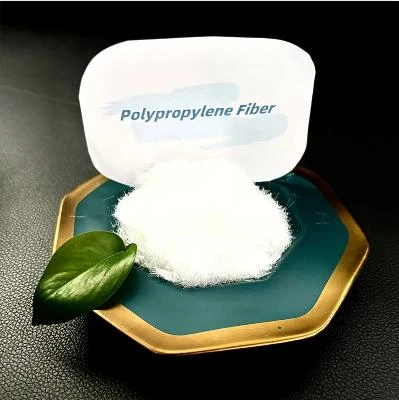
Different Types of Synthetic Fibers Synthetic fibers have revolutionized the textile industry since their inception in the early 20th century. These man-made materials, derived from chemical processes or petroleum products, have become indispensable due to their unique properties, versatility, and cost-effectiveness. In this article, we will explore the different types of synthetic fibers, highlighting their characteristics, uses, and contributions to various industries. 1. Polyester One of the most widely used synthetic fibers is polyester, which is known for its strength, durability, and resistance to shrinking and stretching. Polyester is commonly produced from polyethylene terephthalate (PET) and is often blended with natural fibers like cotton to enhance fabric performance. Its low moisture absorbance makes it an excellent choice for athletic wear, outdoor clothing, and home textiles such as curtains and upholstery. Additionally, polyester is easy to wash and dries quickly, further contributing to its popularity in the fashion industry. 2. Nylon Developed in the 1930s, nylon was the first synthetic fiber made entirely from petrochemicals. Known for its remarkable elasticity and resilience, nylon is often used in products requiring high strength, such as fishing lines, ropes, and tire cords. In the apparel sector, nylon is favored for its lightweight qualities and ability to dry quickly, making it ideal for activewear and swimwear. Furthermore, nylon can be produced in various textures and finishes, enabling its application in a wide range of clothing and accessories. 3. Acrylic Acrylic fibers, often used as substitutes for wool, are known for their lightweight and warmth. They are created from polymers of acrylonitrile and possess excellent colorfastness, meaning they retain their color even after extensive washing. Acrylic is commonly found in sweaters, blankets, and upholstery fabrics. Although they mimic the feel of natural wool, acrylic fibers are often more affordable and easier to care for, making them a popular choice for both consumers and manufacturers. different types of synthetic fibers 4. Spandex Spandex, also known as elastane, is a synthetic fiber celebrated for its exceptional elasticity. Typically composed of a polymer called polyurethane, spandex can stretch up to five times its original length. This characteristic makes it an ideal component in garments requiring flexibility, such as athletic apparel, swimwear, and undergarments. Often blended with other fibers, spandex enhances fit and comfort while providing support and shape retention. 5. Rayon Though technically derived from natural materials, rayon is classified as a semi-synthetic fiber due to chemical processing. Made from regenerated cellulose, rayon exhibits similar characteristics to silk, making it a popular choice for affordable luxury fabrics. Rayon drapes beautifully and has excellent breathability, making it suitable for summer clothing, dresses, and linings. However, rayon's susceptibility to wrinkling and moisture absorption requires careful handling during washing and drying. 6. Olefin Olefin fibers, also known as polypropylene fibers, are notable for their high resistance to moisture, stains, and mildew. This makes them an excellent choice for outdoor furniture, carpets, and automotive interiors. Olefin is lightweight and has good thermal insulation properties, which can be advantageous in clothing designed for colder climates. However, olefin can be less colorfast than other synthetic fibers, which may affect its use in fashion applications. Conclusion The development of synthetic fibers has not only expanded the range of available materials in the textile industry but has also provided innovative solutions across various sectors. Each type of synthetic fiber offers distinct advantages, catering to different consumer needs and preferences. From polyester and nylon's durability to spandex's elasticity, synthetic fibers continue to play a vital role in modern manufacturing and fashion. As technology advances, the potential for new types of synthetic fibers will likely continue to emerge, further enhancing the versatility and capabilities of textiles worldwide.
advantages
-

200000 Viscosities
Excellent product
We can produce pure products up to 200,000 viscosities
-

40000 tons
High yield
We don’t stop production all year round, and the annual output can reach 40,000 tons
-

24 hours
Quality service
We provide 24-hours online reception service, welcome to consult at any time
———— Inquiry Form
Schedule A services
-
 carbopol_powder
Oct . 25, 2025
In today’s fast-paced manufacturing and construction industries, the demand for sustainable and cost -
 hydroxypropyl_methyl_cellulose_ophthalmic_solution_usp
Oct . 25, 2025
Hydroxypropyl methylcellulose (HPMC) has become an integral component in the construction industry, -
 kahoy_na_selulusa
Oct . 25, 2025
Hydroxypropyl methylcellulose (HPMC) is a synthetic polymer widely used for its versatility and appl


